MACBETH
Colby College (2024)
Director’s Note
At the dawn of the seventeenth century, Queen Elizabeth I died and the crown passed to James I, the first Scottish monarch of England. As the new king ascended to the throne, he granted a theatre company royal patronage, and they became known as The King’s Men. One of the members of The King’s Men was a playwright and actor named William Shakespeare.
During the new Jacobean era, Shakespeare witnessed seismic social, political, and cultural shifts. Shakespeare’s early Jacobean plays include Macbeth, King Lear, and Othello. Written during a time of cultural insecurity and uncertainty, these works explore the conflict between public and private selves, duty and desire, conscience and ambition, individual and community. Macbeth remains one of Shakespeare’s most enduring and popular plays. The play asks questions that are profoundly simple: How far would you go to get what you want? Could you live with the consequences of your actions? What do you do after you get what you want?
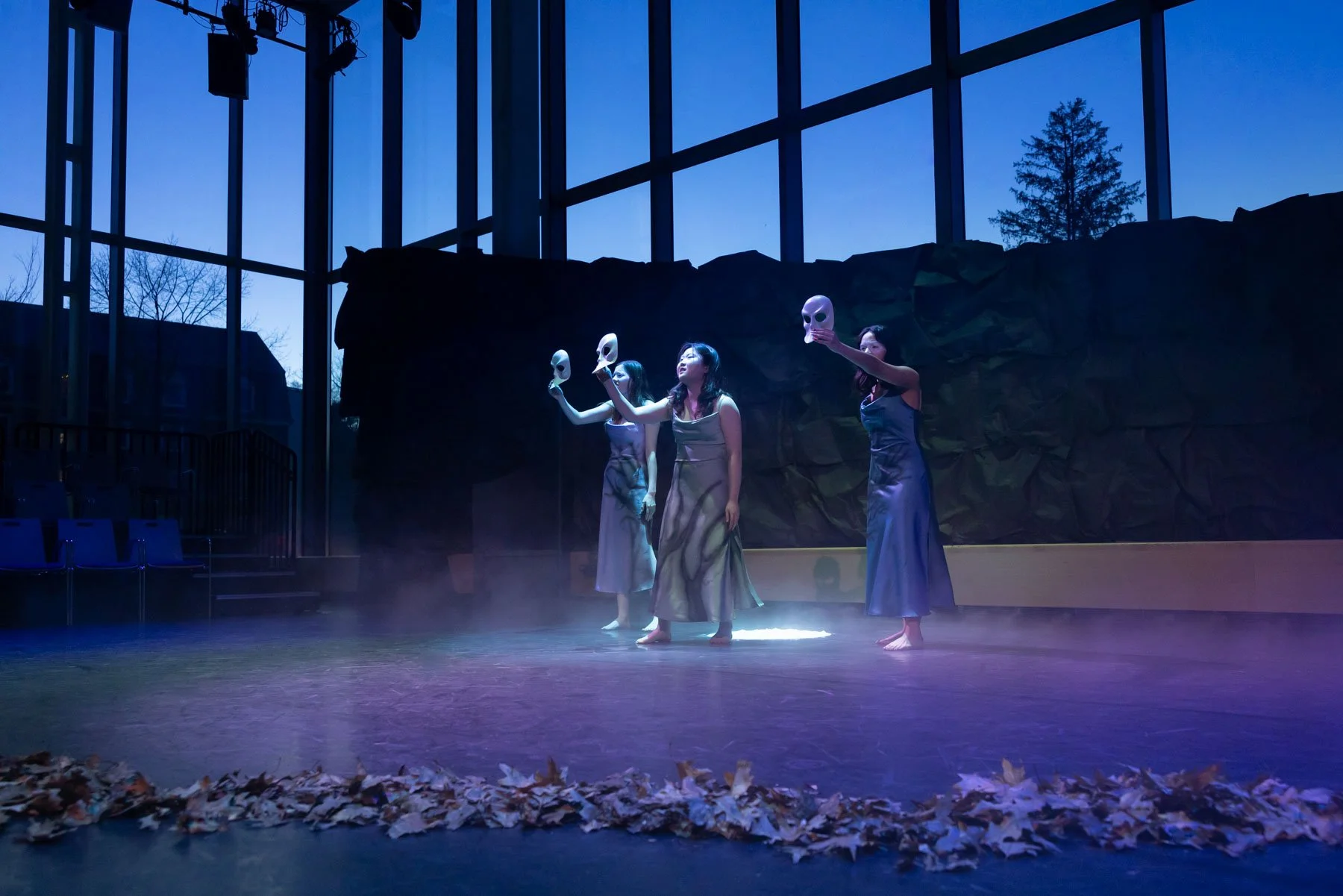
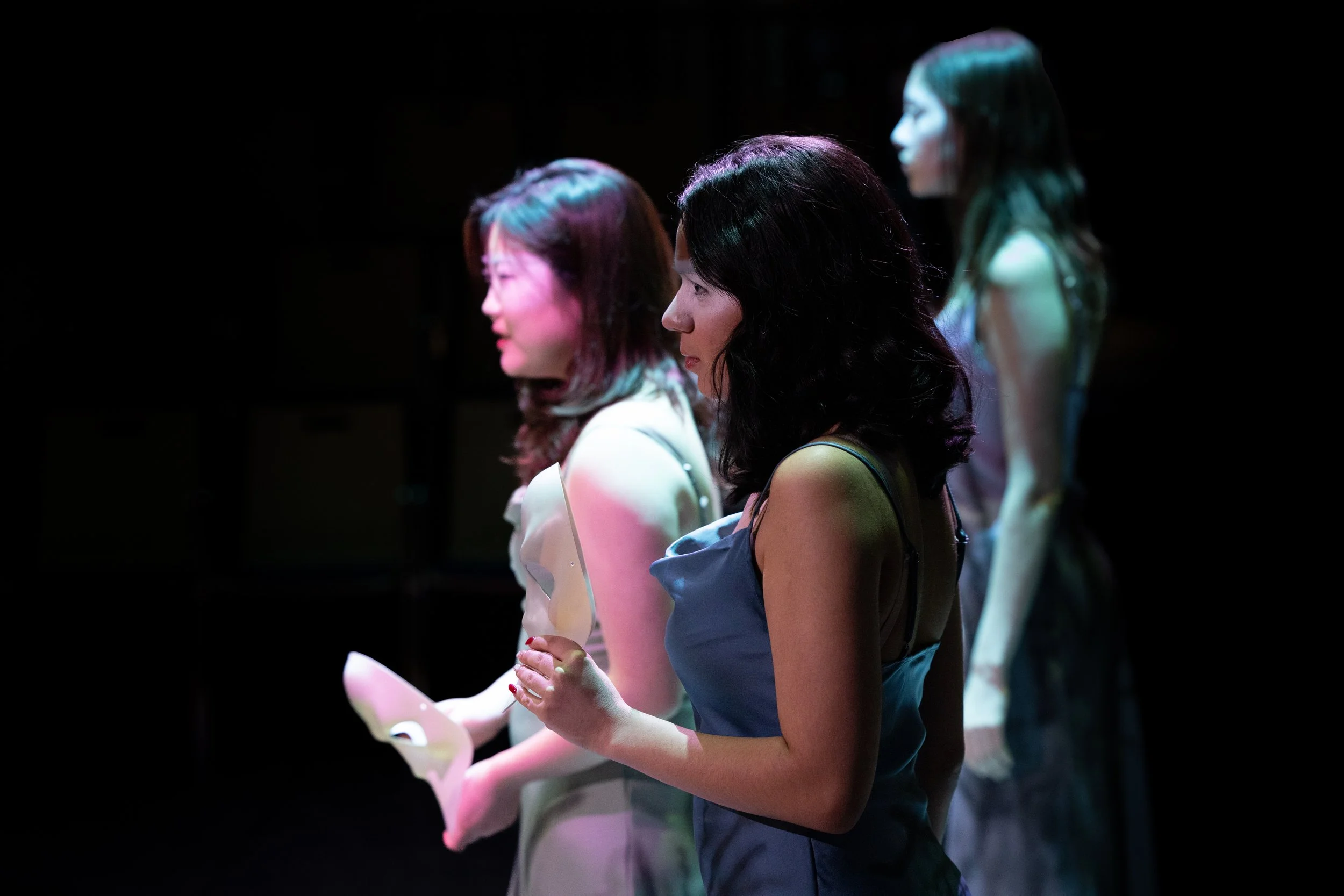
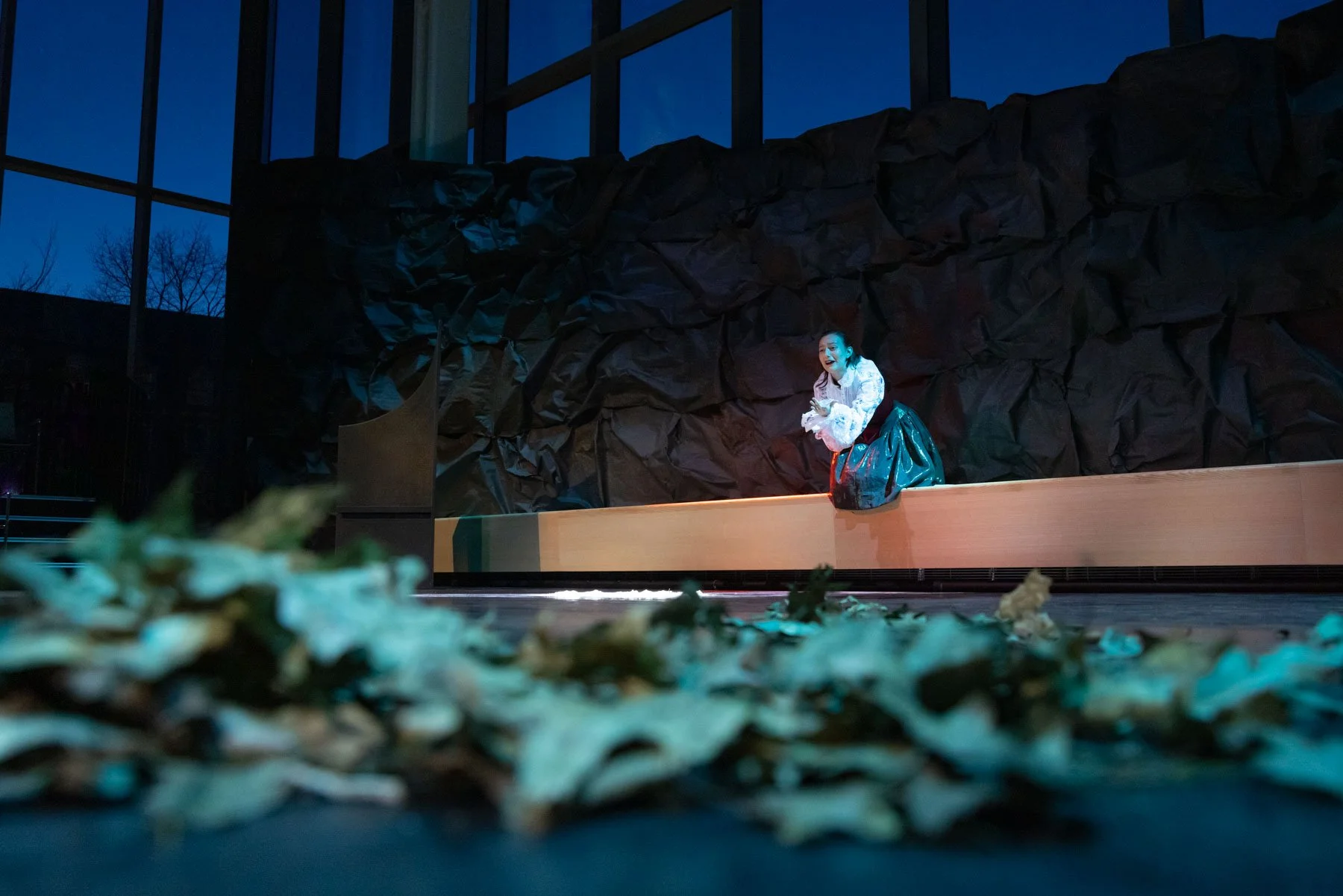
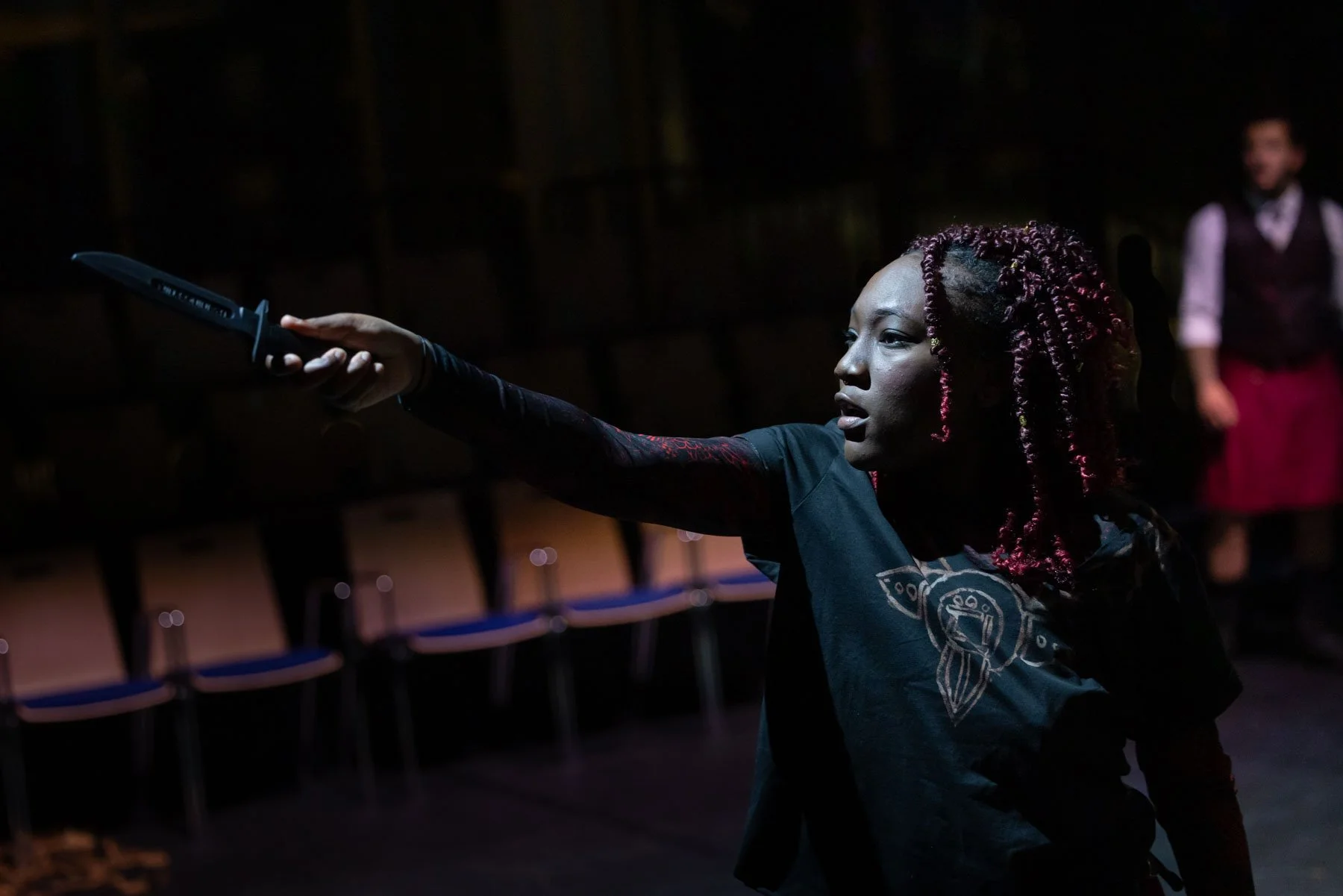
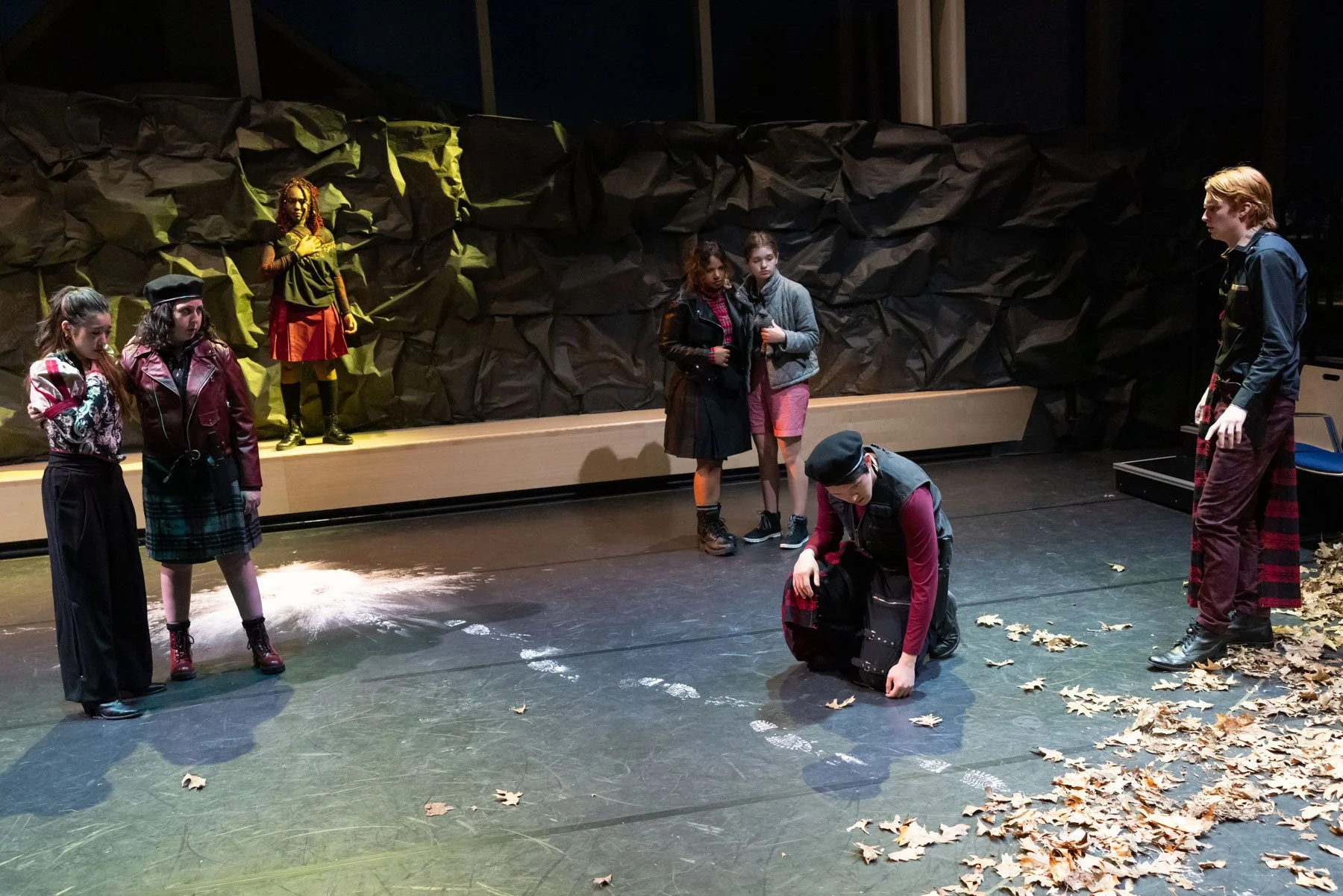
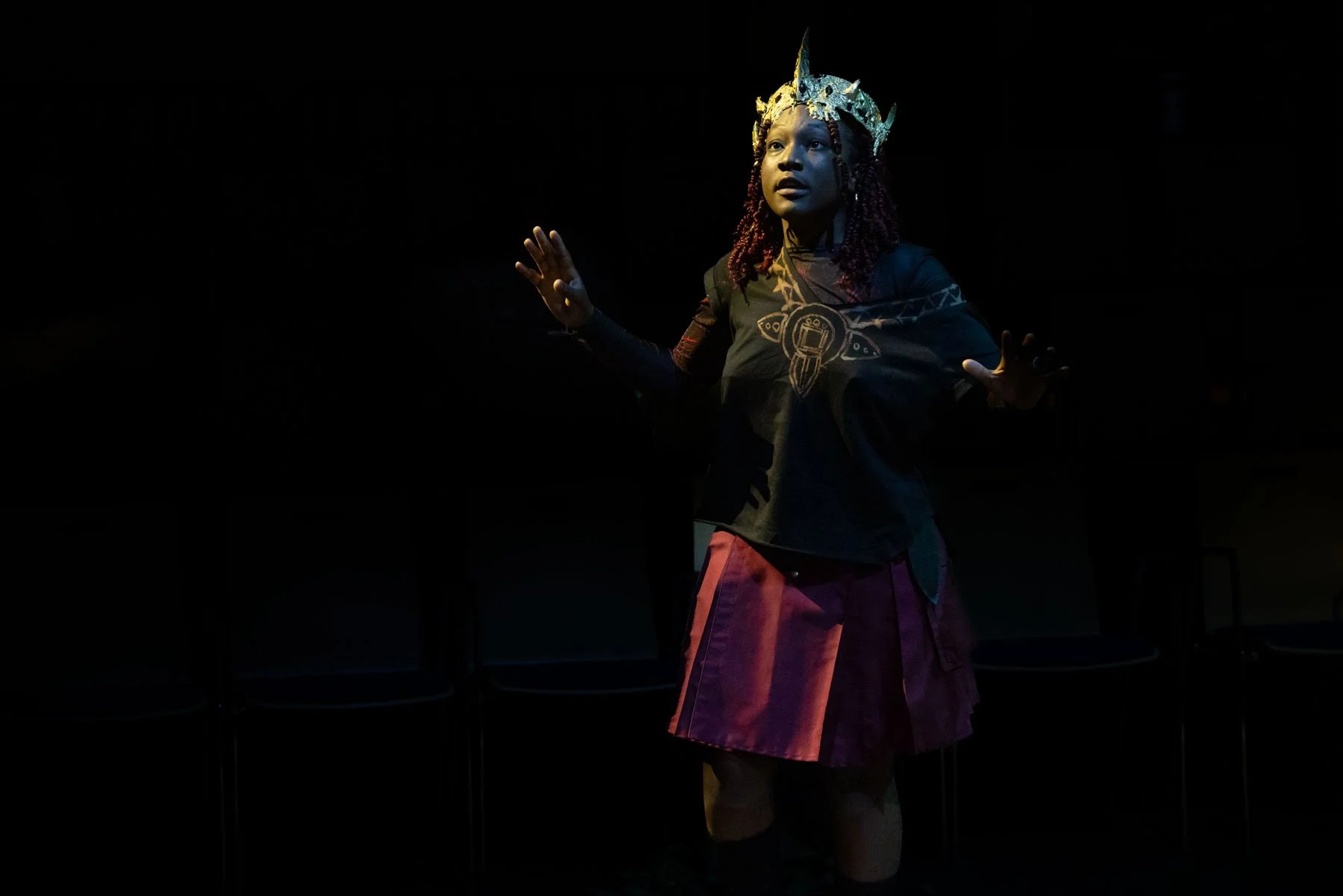
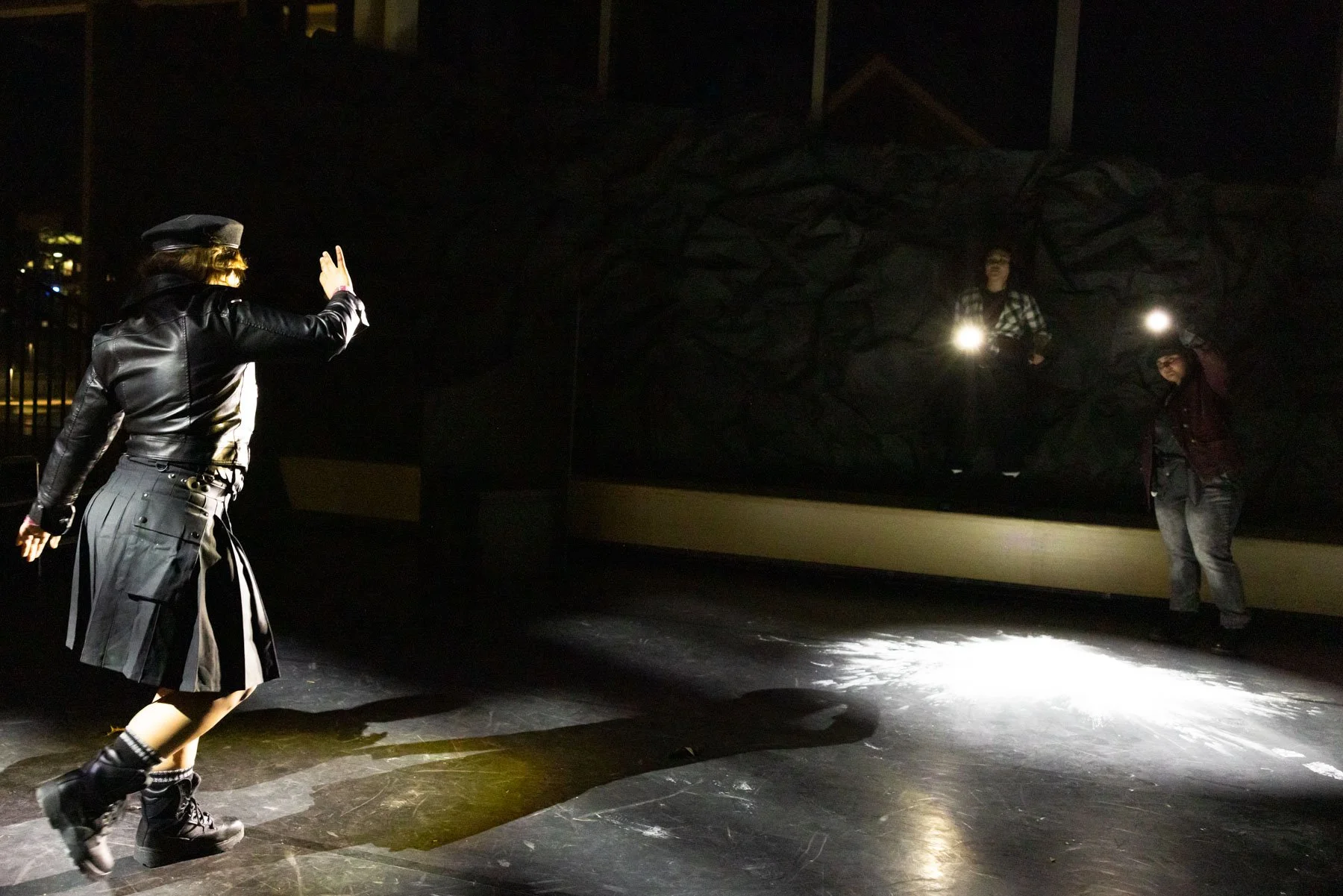
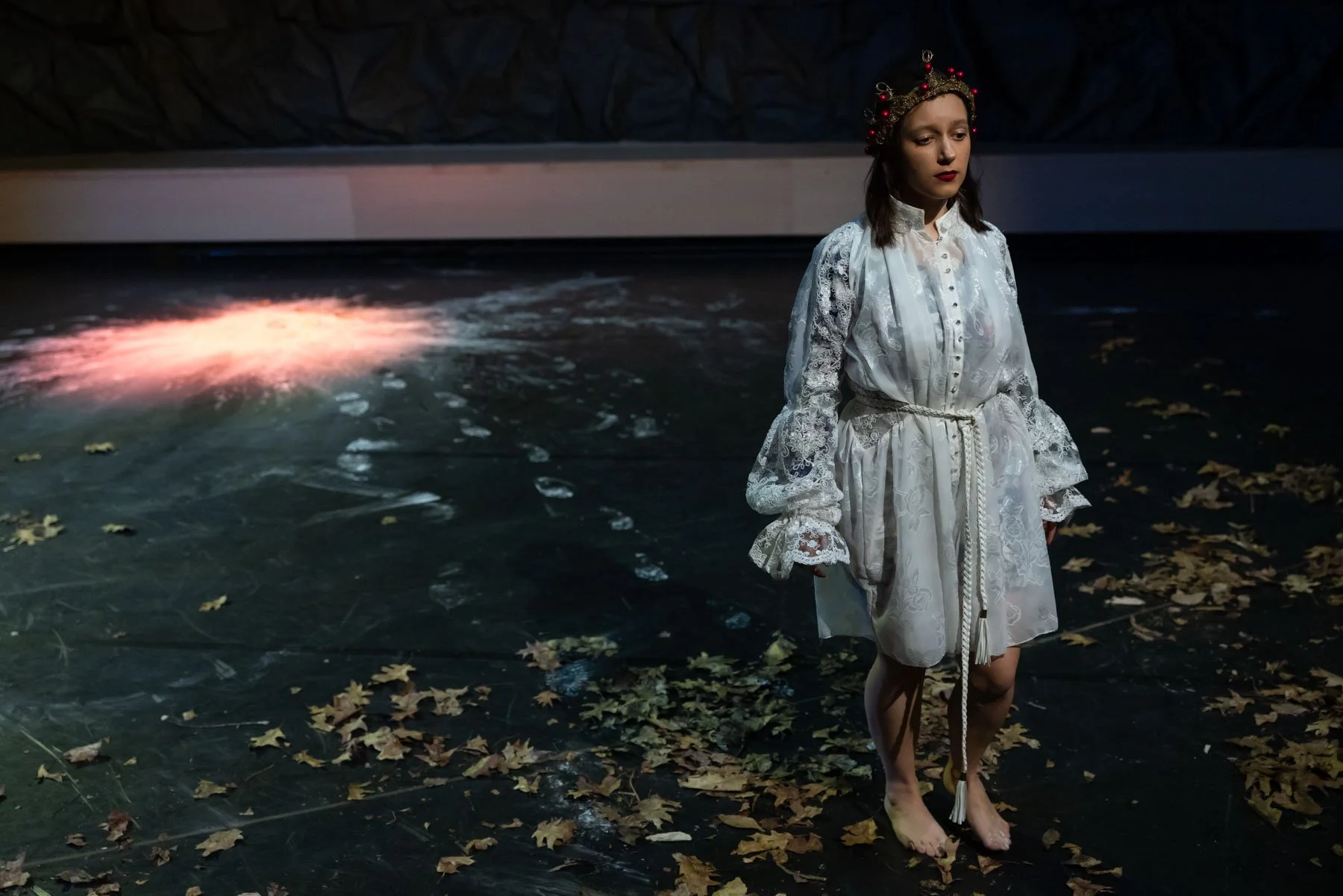
The play wraps these questions in a rugged world of witchcraft, intrigue, love, and violence, which also speaks to the anxieties of our time. Given our world’s increasing saturation with realistic and graphic imagery, we have worked to find imaginative, expressive, and abstract ways to convey the impact of violence and death.
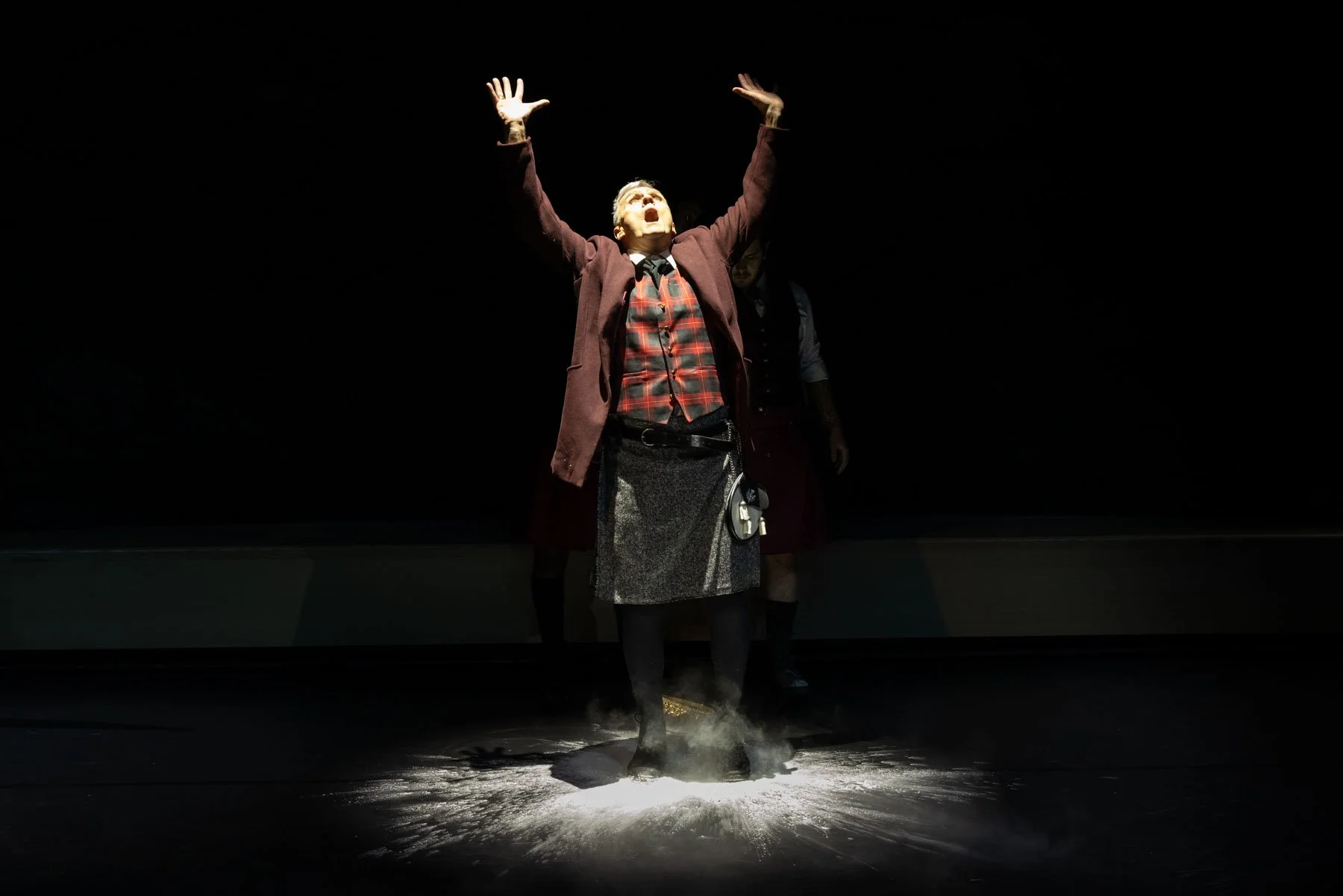
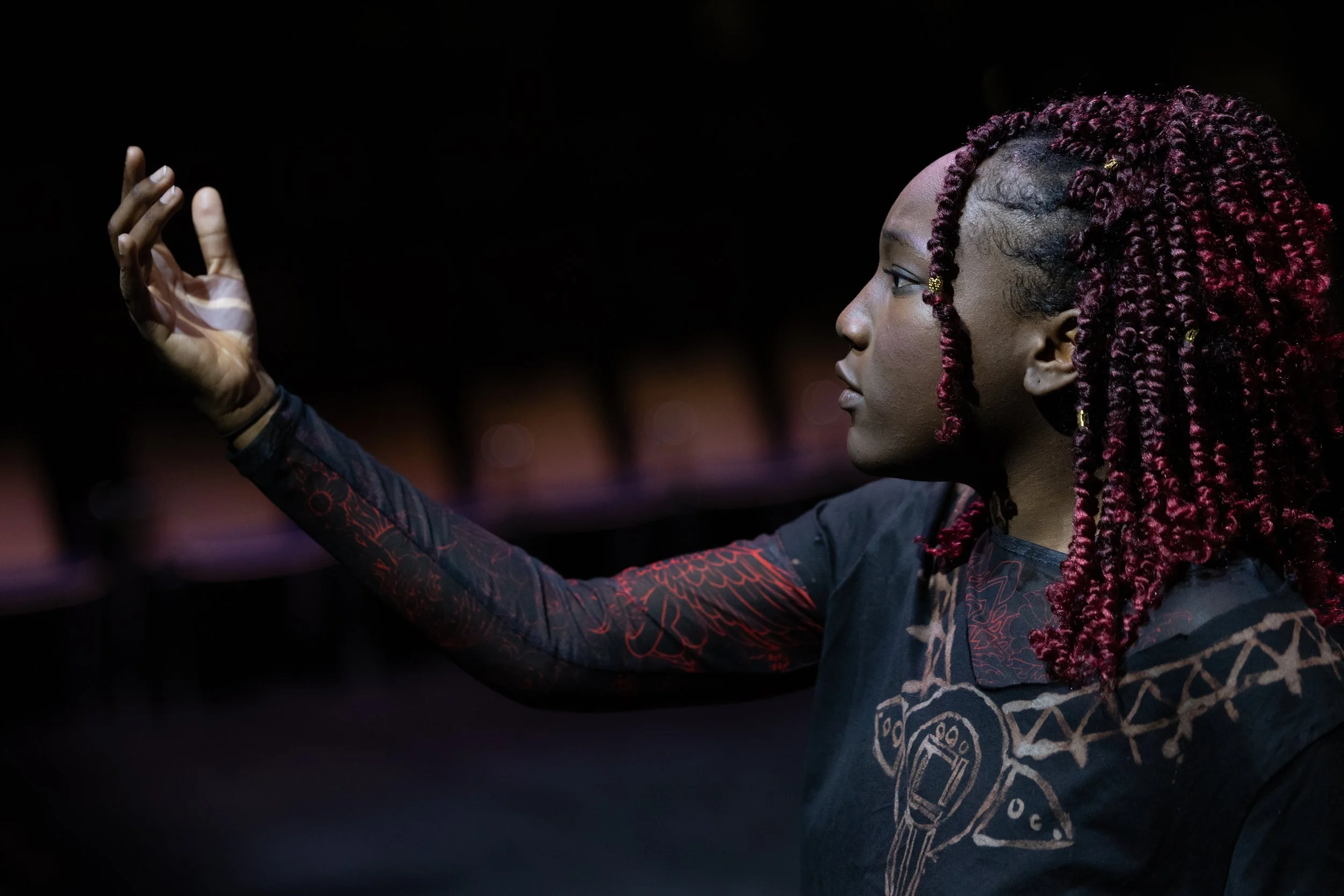
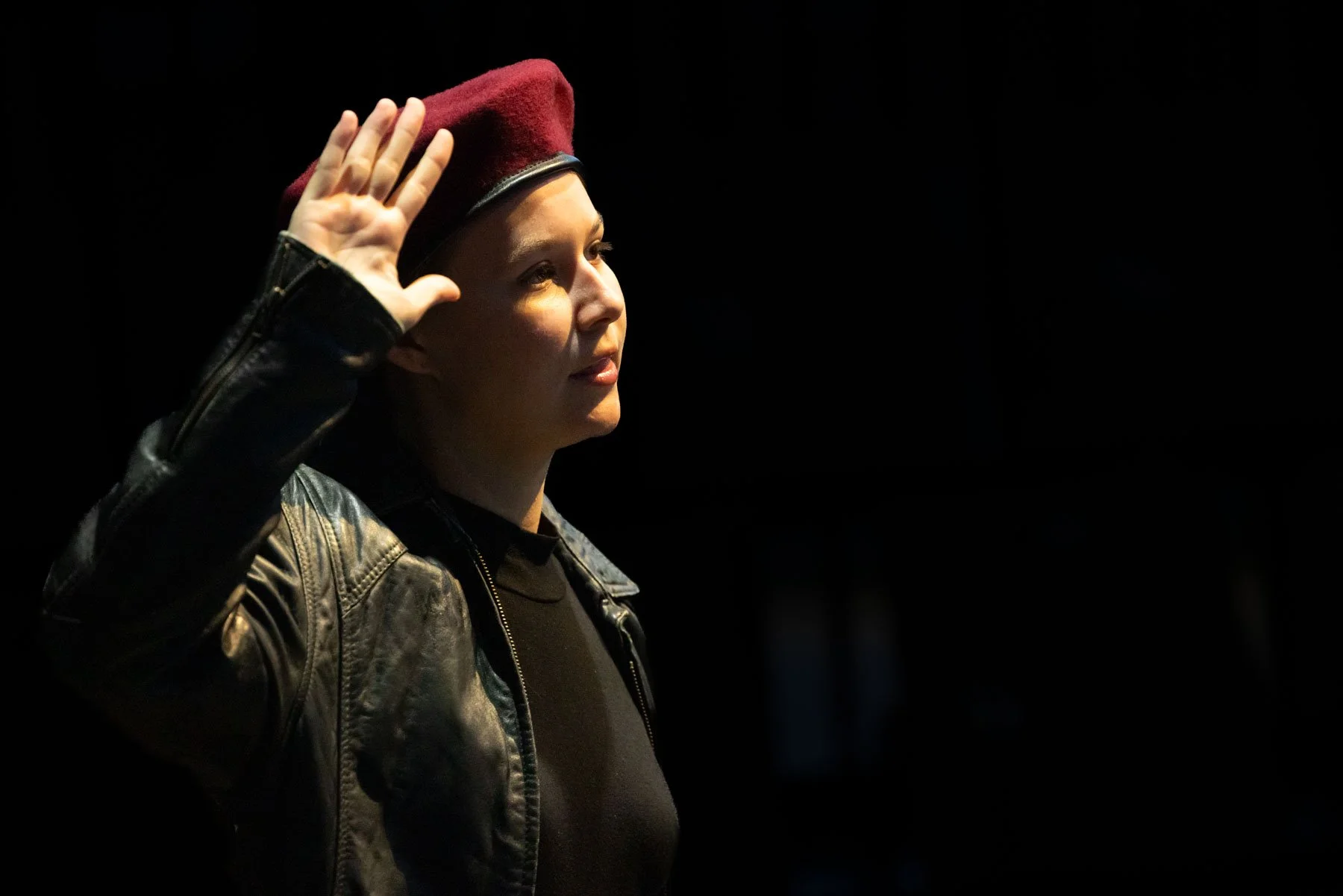
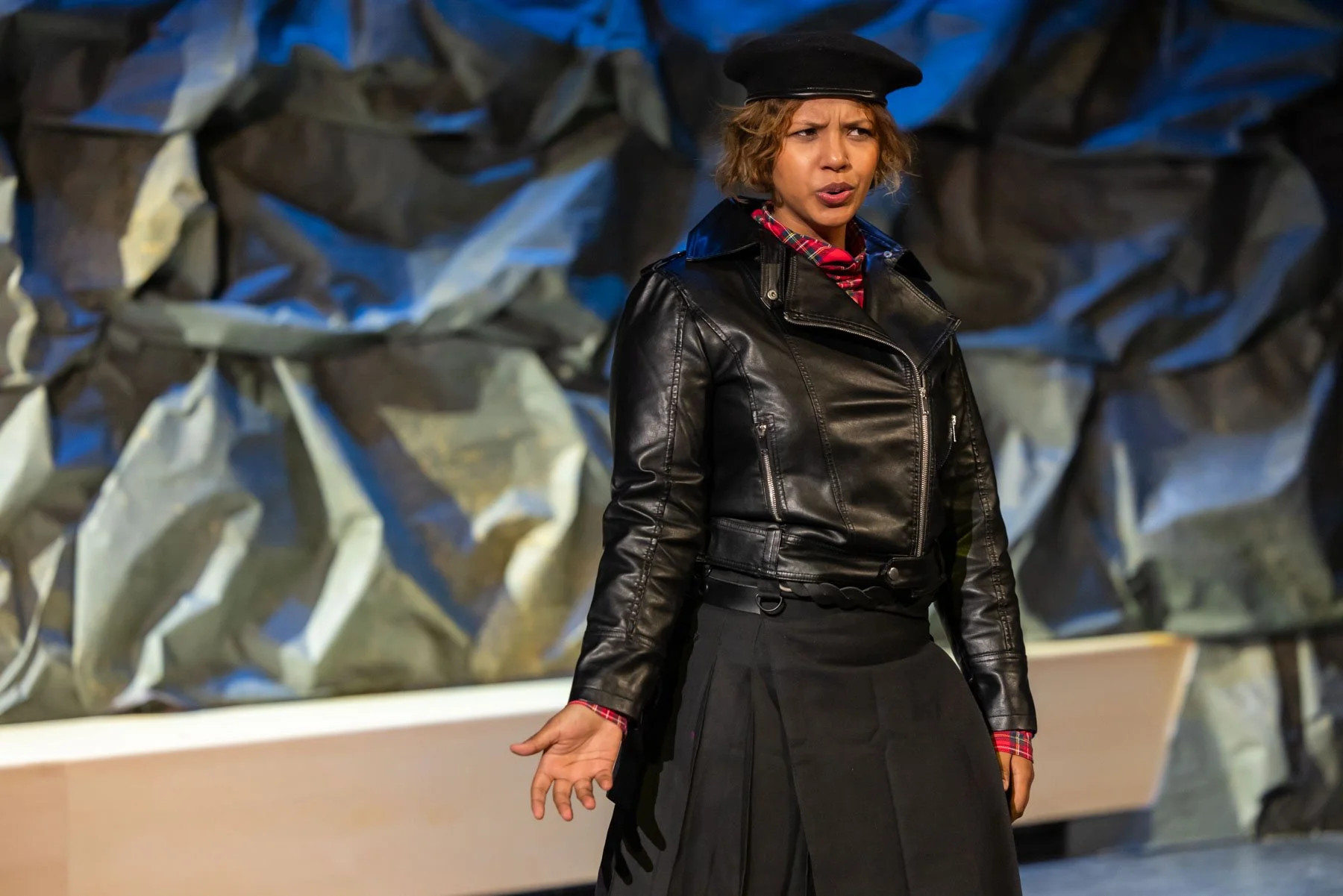
In the early stages of thinking about this production, I wanted to manifest the contrast of public and private selves. This idea led me to cast two actors in the role of Macbeth. The production is an experimentation with Macbeth’s two selves: When are they in harmony? When are they in conflict? What does fracturing Macbeth do to the play? Who sees both sides of Macbeth? Theater-maker Anne Bogart argues that “Art is intentional pressure…it happens in the midst of flight. It does not happen from a place of equilibrium or balance…it happens when you leap with intention.” It has been a profound honor and privilege to leap with intention into this play with this ensemble of actors, designers, and production team. They have greeted the play’s many challenges with curiosity and enthusiasm.
Thank you for joining us, we are excited to share this story with you this evening!
—Ariana Karp, Director